


How Are EPDM Rubber Straps Applied in Equipment?
EPDM rubber straps are flexible securing devices made from synthetic rubber with high elasticity and resistance to environmental factors. These straps are widely used in automotive, construction, marine, and outdoor equipment applications to fasten, bundle, or hold components securely. Combined with corrosion-resistant metal hooks, EPDM straps provide a reliable solution for maintaining tension, protecting surfaces, and stabilizing equipment during transport or storage.
.png)
A key area of EPDM rubber strap usage is cargo and equipment securing. These straps are commonly employed to fasten tarps, pipes, tools, or machinery components during transport, storage, or installation. The elasticity of EPDM allows the strap to maintain tension over time, holding items securely without causing damage. In logistics operations, straps of various widths and lengths are selected based on load weight and shape, ensuring that pressure is evenly distributed and items remain stable during movement. Automotive applications often utilize EPDM straps to secure wiring harnesses, small components, or temporary fixtures during assembly or maintenance.
Another important aspect is material performance, durability, and maintenance. EPDM rubber exhibits resistance to UV radiation, ozone, water, and temperature fluctuations, making these straps suitable for outdoor, marine, and industrial environments. The accompanying metal hooks are typically zinc-plated or stainless steel, preventing corrosion and retaining strength in humid or saline conditions. To ensure long-term performance, regular inspection is recommended: check the rubber for cracks, tears, or hardening, and verify that hooks are intact and free from corrosion. For straps used in high-stress applications, rotating or alternating straps can distribute wear evenly and prevent permanent deformation. Proper cleaning and storage—keeping straps out of direct sunlight or away from harsh chemicals—also help maintain elasticity and reliability, ensuring the straps perform effectively over repeated use.
EPDM rubber straps also play a critical role in flexibility and adaptability for equipment organization. Their stretchable nature allows secure attachment of irregularly shaped objects, preventing movement while accommodating slight size variations. This is particularly useful in construction sites, workshops, or boat decks where objects of varying dimensions must be secured quickly. Operators often combine multiple straps to achieve higher tension or better distribution across longer loads, making them versatile for both temporary and semi-permanent installations. Additionally, the straps’ elasticity reduces impact stress on secured objects during transit, helping prevent damage to delicate or sensitive components.
Frequently Asked Questions
What makes EPDM rubber straps suitable for outdoor use?
EPDM resists UV, ozone, heat, and water, maintaining elasticity and durability in outdoor conditions.
Can EPDM straps handle repeated stretching?
Yes, they retain flexibility and tension through multiple cycles without cracking or losing performance.
Are the metal hooks corrosion-resistant?
Zinc-plated or stainless steel hooks resist bending and corrosion under typical outdoor and marine conditions.
EPDM rubber straps provide versatile, durable, and highly reliable solutions for securing, bundling, and fastening components in automotive, construction, marine, and outdoor applications. Their elasticity allows consistent tension across varying loads, while resistance to UV, ozone, water, and temperature extremes ensures long-term performance. These straps help prevent damage to secured items, improve operational efficiency, and maintain safety during repeated use in both temporary and long-term installations, making them indispensable in environments that demand flexibility and durability.
Related Products
-
 View More
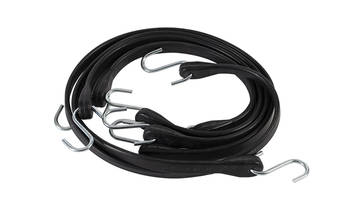
Industrial Flat Nature Tarp EPDM Rubber Strap with Hooks
-
 View More
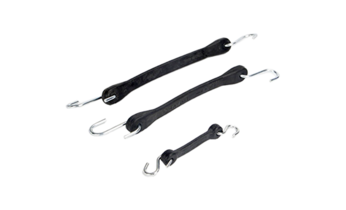
100% EPDM 9"/10"/15"/21"/31"/41" Rubber Tie Down Tarp Straps with S Hook
-
 View More
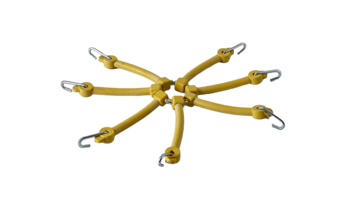
7-wire hook light truck tire chain dobby tensioner
-
 View More
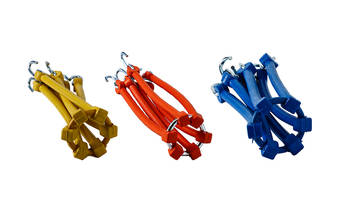
Blue multi- arm tighteners for light truck tire chain with 6 wire hook
-
 View More
JB-21 Rubber Foot Pad, Cargo Bar Pad
-
 View More
Plastic/Rubber Bundled Cargo Stepping Board
 +86-13516769466
 +86-0576-87202376
 Waima Village, Yucheng Street, Yuhuan City, china.