


What Functions Do Rubber Foot Pads Serve?
Rubber foot pads are widely used to protect surfaces, reduce vibration, and prevent slipping for furniture, household appliances, and industrial machinery. They create a cushioning layer between the object and the floor, reducing wear on both the floor and the equipment. These pads are applied globally in homes, offices, workshops, and industrial facilities due to their affordability, durability, and multifunctional design.
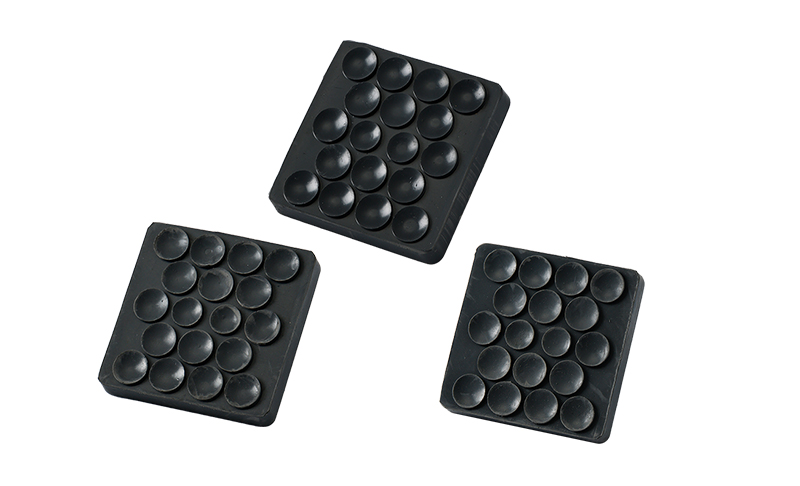
One core application is surface protection. Rubber foot pads prevent scratches, dents, or scuff marks on wood, tile, laminate, and concrete floors. Pads can be glued, screwed, or molded directly onto equipment legs. Office chairs, for example, are often equipped with adhesive-backed rubber pads to reduce friction and noise when moving across floors. Industrial machines benefit from thicker, heavy-duty pads that distribute weight more evenly, reducing localized pressure points and protecting floors in high-traffic areas. Field observations from workshops indicate that using rubber pads can decrease visible floor wear by up to 25% over one year of continuous equipment use.
Another significant area is vibration isolation and noise control. Industrial machinery, audio equipment, and exercise machines generate vibrations that can transmit through floors, affecting building structures and causing discomfort. Rubber foot pads absorb these oscillations, minimizing transmitted movement and reducing equipment noise. The damping effectiveness depends on the pad’s thickness, durometer, and surface design. Some pads feature ribbed or honeycomb structures to enhance vibration absorption and increase stability. For example, vibration measurements in factories show that installing rubber foot pads under motorized equipment can lower floor-transmitted vibrations by approximately 15–20%, improving operator comfort and protecting sensitive instruments.
A third focus is material comparison and load capacity. Rubber foot pads are often compared with felt, plastic, or metal alternatives. Felt pads allow objects to slide easily but wear down quickly under repeated or heavy use, making them less suitable for industrial or high-traffic environments. Plastic pads can resist surface wear better, but generally provide less grip and minimal vibration damping. Rubber foot pads strike a balance between elasticity, durability, and non-slip properties, making them suitable for a wide range of applications. High-quality rubber pads are designed to withstand loads ranging from light furniture to heavy machinery, distributing weight evenly to prevent floor damage while maintaining stable support. Their elasticity also allows them to adapt slightly to uneven surfaces, reducing stress on equipment legs or frames.
Equally important is maintenance and long-term performance. Rubber foot pads retain flexibility under repeated compression cycles and temperature variations, which is critical for industrial, commercial, or outdoor applications where equipment may be moved frequently or exposed to changing conditions. Routine maintenance includes cleaning the pads to remove dust, debris, or chemical residues that could degrade material properties, checking that adhesive or fasteners remain secure, and inspecting for cracks, hardening, or excessive compression. For high-use equipment, pads should be rotated periodically to ensure even wear and prolong lifespan. Regular monitoring not only preserves floor protection and grip but also ensures consistent vibration isolation and noise reduction, maintaining both equipment performance and operator comfort over time.
Frequently Asked Questions
What surfaces benefit from rubber foot pads?
Wood, laminate, tile, and smooth concrete floors can be protected from scratches and dents with rubber pads.
Can rubber foot pads reduce vibration from machinery?
Yes, they help isolate vibration and can lower transmitted movement in industrial and household equipment.
Are rubber foot pads better than felt pads?
Rubber pads typically offer a stronger grip, longer durability, and better vibration control.
Rubber foot pads provide practical solutions for surface protection, vibration isolation, and noise reduction across residential, commercial, and industrial applications, making them a versatile choice for maintaining both equipment performance and floor integrity.
PREV:How Are EPDM Rubber Straps Applied in Equipment?
NEXT:How Do Stabilizer Bushings Affect Vehicle Performance?
NEXT:How Do Stabilizer Bushings Affect Vehicle Performance?
Related Products
-
 View More
Industrial Flat Nature Tarp EPDM Rubber Strap with Hooks
-
 View More
100% EPDM 9"/10"/15"/21"/31"/41" Rubber Tie Down Tarp Straps with S Hook
-
 View More
7-wire hook light truck tire chain dobby tensioner
-
 View More
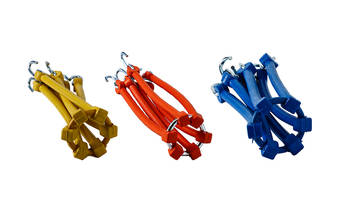
Blue multi- arm tighteners for light truck tire chain with 6 wire hook
-
 View More
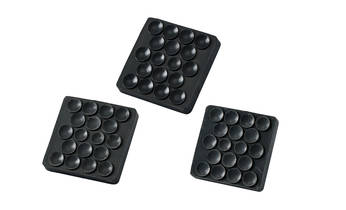
JB-21 Rubber Foot Pad, Cargo Bar Pad
-
 View More
Plastic/Rubber Bundled Cargo Stepping Board
 +86-13516769466
 +86-0576-87202376
 Waima Village, Yucheng Street, Yuhuan City, china.