


How Do Stabilizer Bushings Affect Vehicle Performance?
Stabilizer bushings are components in vehicle suspension systems that connect the stabilizer bar to the suspension arms or chassis. Their role is to reduce body roll during cornering while providing a cushion to absorb vibration and road shocks. These bushings are critical in maintaining tire contact with the road surface, contributing to vehicle stability and steering responsiveness. Millions of vehicles worldwide use rubber or polyurethane stabilizer bushings, reflecting ongoing demand for improved handling and ride comfort.
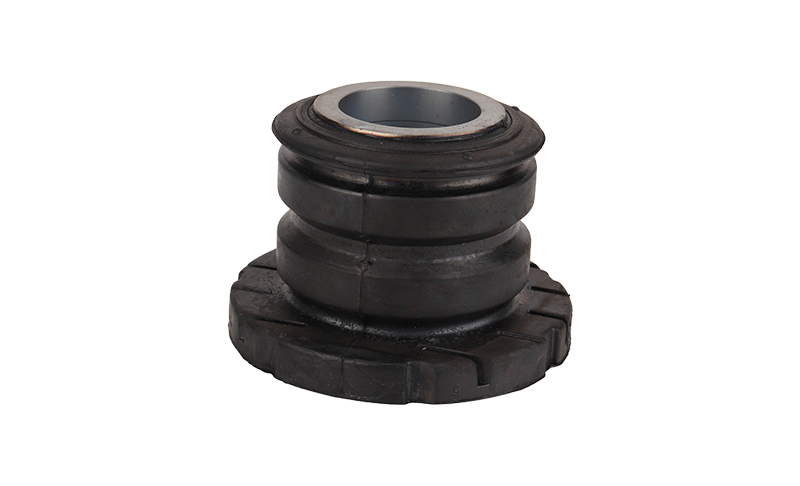
One key technical discussion is material selection and vibration damping. Rubber stabilizer bushings offer flexibility that absorbs high-frequency vibrations, reducing noise and providing smoother ride comfort. Polyurethane bushings, in contrast, provide firmer support and slightly sharper handling. Engineers often select bushing hardness based on vehicle weight, suspension type, and intended driving conditions. Data from field tests shows that properly selected rubber bushings can reduce steering vibration by around 20% compared to worn or misaligned units. Additionally, EPDM rubber variants are commonly used in outdoor applications due to their resistance to ozone, heat, and moisture, ensuring longevity under variable environmental conditions.
Another important aspect is wear mechanisms and maintenance. Stabilizer bushings are exposed to torsional stress, repeated compression, and road contaminants, which can cause cracking, deformation, or compression set. Over time, this wear can introduce slack in the stabilizer bar connection, causing decreased handling stability and uneven tire wear. Regular inspection includes checking for visible cracks, unusual noises during turns, or lateral play in the stabilizer bar. Vehicles operating in regions with frequent potholes or off-road conditions often require more frequent inspection, as road shocks accelerate bushing fatigue.
Installation and alignment practices play a crucial role in the overall performance and service life of stabilizer bushings. When installing a bushing, it must be seated correctly on the stabilizer bar and positioned precisely within its bracket. Any distortion or uneven placement can create uneven stress distribution, reducing the bushing’s ability to absorb vibrations and control body roll. Technicians often use a light coating of a rubber-compatible lubricant to facilitate installation, allowing the bushing to slide into place smoothly while minimizing the risk of binding or squeaking during operation. In addition, the bracket surfaces and mounting points are usually inspected and cleaned to remove debris or corrosion that could interfere with proper seating.
Beyond initial placement, precise alignment and torque control are essential to ensure long-term functionality. Over-tightening the mounting bolts can compress the bushing excessively, causing premature wear or stiffness, while under-tightening may result in movement, vibration, or noise during driving. Professional automotive workshops follow detailed torque specifications and orientation guidelines to achieve uniform load distribution across the stabilizer bar. In some vehicles, alignment tools or special fixtures are used to maintain the correct angle and position of the bushing relative to suspension arms. Regular inspection after installation ensures that bushings remain properly seated and free from abnormal wear, extending the lifespan of both the bushing and related suspension components.
Frequently Asked Questions
What role do stabilizer bushings play in suspension systems?
They link the stabilizer bar to the suspension and absorb vibration, contributing to consistent handling and reduced body roll.
How can I tell if a stabilizer bushing needs replacement?
Signs include unusual noise during turns, uneven tire wear, or excessive chassis movement.
Are rubber bushings better than polyurethane?
Rubber provides smoother ride characteristics; polyurethane may offer firmer handling. Choice depends on driving conditions and comfort priorities.
Stabilizer bushings remain essential components that influence both ride comfort and vehicle dynamics, requiring careful material selection, installation, and maintenance to maintain consistent performance.
PREV:What Functions Do Rubber Foot Pads Serve?
NEXT:Rubber Seal Applications and Performance Insights
NEXT:Rubber Seal Applications and Performance Insights
Related Products
-
 View More
Industrial Flat Nature Tarp EPDM Rubber Strap with Hooks
-
 View More
100% EPDM 9"/10"/15"/21"/31"/41" Rubber Tie Down Tarp Straps with S Hook
-
 View More
7-wire hook light truck tire chain dobby tensioner
-
 View More
Blue multi- arm tighteners for light truck tire chain with 6 wire hook
-
 View More
JB-21 Rubber Foot Pad, Cargo Bar Pad
-
 View More
Plastic/Rubber Bundled Cargo Stepping Board
 +86-13516769466
 +86-0576-87202376
 Waima Village, Yucheng Street, Yuhuan City, china.