


Rubber Seal Applications and Performance Insights
Rubber seals are widely used components that provide critical sealing solutions in industrial machinery, automotive systems, and household equipment. Their primary function is to prevent the leakage of liquids or gases while maintaining durability under various operating conditions. Globally, the demand for rubber seals continues to grow, with millions of units used annually across sectors such as automotive production, water treatment, and mechanical engineering. These seals are valued for their ability to maintain performance under temperature variations, pressure changes, and exposure to chemicals. In addition to standard sealing applications, rubber seals are also employed in vibration damping and noise reduction, where the elasticity of the material helps absorb mechanical stress and maintain operational stability.
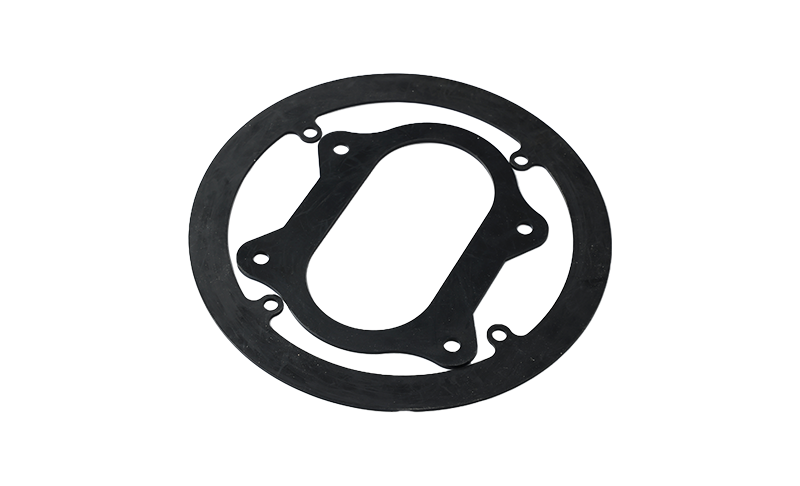
One of the main discussion points in technical communities is material selection and environmental compatibility. Rubber seals are manufactured from materials including EPDM, nitrile, and silicone, each offering specific resistance to heat, oil, or UV exposure. For example, EPDM seals are preferred in water and outdoor applications because they resist ozone and weathering. Engineers often consider factors such as elasticity, hardness, and chemical resistance when selecting the appropriate seal, ensuring consistent performance over the seal’s operational lifespan. Field data indicates that proper material selection can reduce leakage incidents by 30–40% in industrial applications. Additionally, the compatibility of the seal with the medium it contacts—whether oil, water, or chemical solutions—is critical to avoid swelling, cracking, or loss of elasticity over time. Applications in hydraulic systems and pneumatic equipment also demand careful material choice, since exposure to high-pressure fluids can accelerate wear if the wrong compound is used.
Another focus is installation and maintenance practices. Correct alignment and compression during installation are crucial to prevent deformation and ensure sealing integrity. Rubber seals that are under-compressed or misaligned may fail prematurely, causing leaks and potential system downtime. Regular inspection can detect wear, cracks, or compression set, enabling timely replacement before leaks occur. In automotive applications, for instance, door and window seals exposed to repeated movement and temperature swings require routine checks to maintain vehicle comfort and prevent water ingress. Maintenance guidelines suggest replacing seals every 3–5 years in high-stress applications or sooner if visible wear appears. Proper cleaning, lubrication where appropriate, and avoiding harsh chemical exposure also help extend service life. In industrial settings, seals are sometimes used in rotating equipment or pumps, where installation technique and torque specifications directly influence operational reliability and the seal’s effective lifespan.
Performance testing and quality assurance is another key area of interest. Rubber seals are evaluated for parameters such as tensile strength, elongation, and compression set. Testing ensures that seals can withstand operational pressures without failure. In fluid transfer systems, properly tested seals maintain stable pressure and reduce contamination risk, which is especially important in food processing and pharmaceutical equipment. In addition, some industries now employ accelerated aging tests to simulate long-term exposure to temperature cycles, UV light, and chemicals, providing additional assurance of reliability over time. These testing protocols help manufacturers certify seals for specific applications, ensuring that customers can select components that meet both operational and regulatory requirements.
PREV:How Do Stabilizer Bushings Affect Vehicle Performance?
NEXT:What Role Do Automotive Bushings Play?
NEXT:What Role Do Automotive Bushings Play?
Related Products
-
 View More
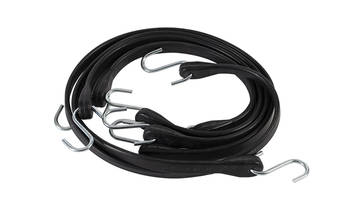
Industrial Flat Nature Tarp EPDM Rubber Strap with Hooks
-
 View More
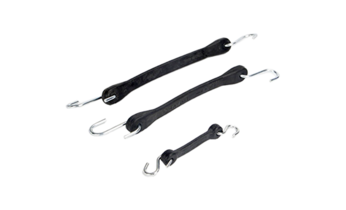
100% EPDM 9"/10"/15"/21"/31"/41" Rubber Tie Down Tarp Straps with S Hook
-
 View More
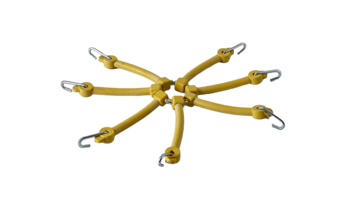
7-wire hook light truck tire chain dobby tensioner
-
 View More
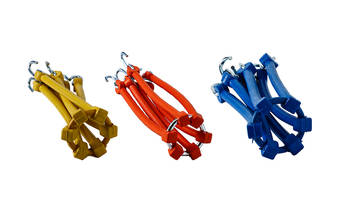
Blue multi- arm tighteners for light truck tire chain with 6 wire hook
-
 View More
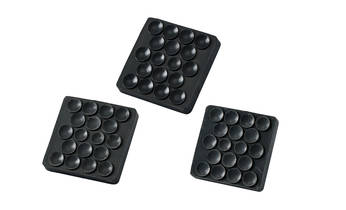
JB-21 Rubber Foot Pad, Cargo Bar Pad
-
 View More
Plastic/Rubber Bundled Cargo Stepping Board
 +86-13516769466
 +86-0576-87202376
 Waima Village, Yucheng Street, Yuhuan City, china.