


Sway Bar Bushings and Vehicle Stability
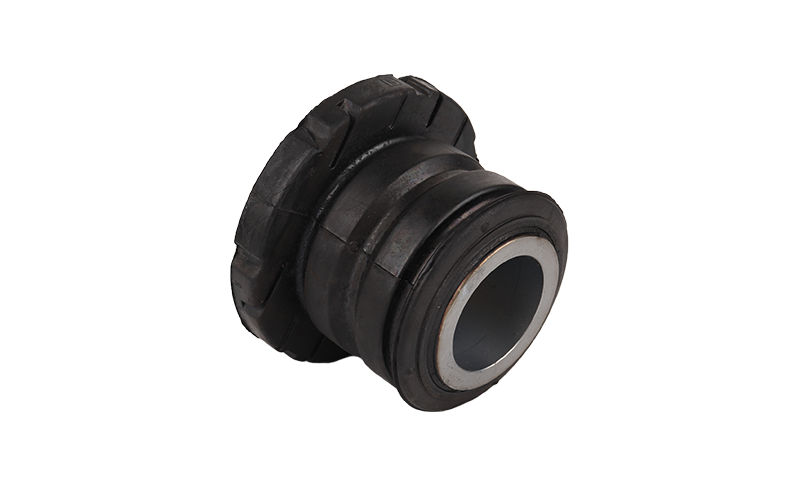
Sway bar bushings are an essential component of a vehicle’s suspension system, providing stability and helping maintain smooth handling during turns and on uneven roads. These bushings, typically made from rubber or polyurethane (poly), secure the sway bar to the vehicle frame. Over time, these components can wear out or deteriorate, affecting vehicle performance and comfort.
The Effects of Worn Rubber Bushings
Many drivers experience changes in handling as rubber sway bar bushings age. Common issues include increased body roll, uneven cornering, and a feeling of instability when driving over potholes or rough surfaces. Worn bushings allow the sway bar to move more freely than intended, reducing its effectiveness in controlling vehicle lean. This can cause noticeable car body movement during sharp turns or quick maneuvers.
In addition to handling issues, worn rubber bushings may also produce noise. Drivers often report squeaking, rattling, or squealing sounds when bushings are under load. This can occur especially if the bushings are dry, hardened, or improperly lubricated. Aftermarket bushings may also produce noise if lubrication is insufficient or if the material is different from the original equipment manufacturer (OEM) specifications.
Lubrication and Maintenance Considerations
Proper lubrication is important for minimizing noise and wear in sway bar bushings. Applying a suitable grease can reduce friction and prevent squeaking. Some polyurethane bushings require periodic lubrication, while rubber bushings typically remain quieter without extra grease. Choosing the correct lubricant compatible with the bushing material can extend the component’s service life and improve ride quality.
| Material Type | Characteristics | Maintenance Notes |
|---|---|---|
| Rubber | Flexible, quiet, absorbs minor vibrations | Typically maintenance-free, may harden over time |
| Polyurethane | Durable, more resistant to wear and chemicals | May require lubrication, can be slightly firmer affecting ride feel |
Rubber vs Polyurethane: Material Considerations
The choice between rubber and polyurethane bushings depends on driver preferences and vehicle usage. Rubber bushings are often preferred for daily driving due to their quiet operation and smooth ride characteristics. However, they can deteriorate over time, especially in vehicles exposed to temperatures, road salt, or high mileage.
Polyurethane bushings are frequently selected for their durability and resistance to environmental factors. They provide more consistent sway bar performance and are often used in performance or modified vehicles. Some drivers note that poly bushings may feel slightly firmer, which can improve handling response but may transmit more road vibrations into the cabin.
Installation and Inspection Tips
Routine inspection of sway bar bushings is recommended, especially for vehicles that have been in use for several years. Signs that bushings may need attention include unusual noises, increased body roll, or uneven handling. Replacement or lubrication of bushings can restore stability and reduce noise.
DIY installation is possible for some vehicles, but care must be taken to ensure proper alignment of brackets and correct bushing selection. Incorrect installation can cause continued noise or premature wear, highlighting the importance of following manufacturer's instructions.
Conclusion
Sway bar bushings play a critical role in vehicle stability and comfort. Worn or improperly lubricated bushings can result in handling issues, increased body roll, and unwanted noise. The choice between rubber and polyurethane bushings involves balancing ride comfort with durability and handling performance. Regular inspection, appropriate lubrication, and timely replacement can help maintain smooth handling and reduce vehicle noise. Understanding these factors allows drivers to make informed decisions regarding their vehicle’s suspension maintenance and material selection.
Sway bar bushings remain a small but significant part of vehicle performance, and attention to their condition can improve both comfort and handling reliability.
PREV:Automotive Bushing Real-World Insights
NEXT:Tire Chain Multi-Arm Tighteners: A Practical Guide for Winter Traction
NEXT:Tire Chain Multi-Arm Tighteners: A Practical Guide for Winter Traction
Related Products
-
 View More
Industrial Flat Nature Tarp EPDM Rubber Strap with Hooks
-
 View More
100% EPDM 9"/10"/15"/21"/31"/41" Rubber Tie Down Tarp Straps with S Hook
-
 View More
7-wire hook light truck tire chain dobby tensioner
-
 View More
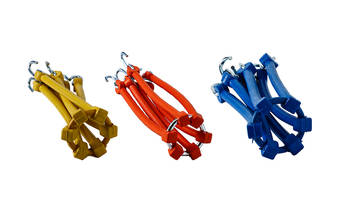
Blue multi- arm tighteners for light truck tire chain with 6 wire hook
-
 View More
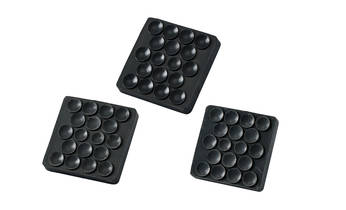
JB-21 Rubber Foot Pad, Cargo Bar Pad
-
 View More
Plastic/Rubber Bundled Cargo Stepping Board
 +86-13516769466
 +86-0576-87202376
 Waima Village, Yucheng Street, Yuhuan City, china.