


Automotive Bushing Real-World Insights
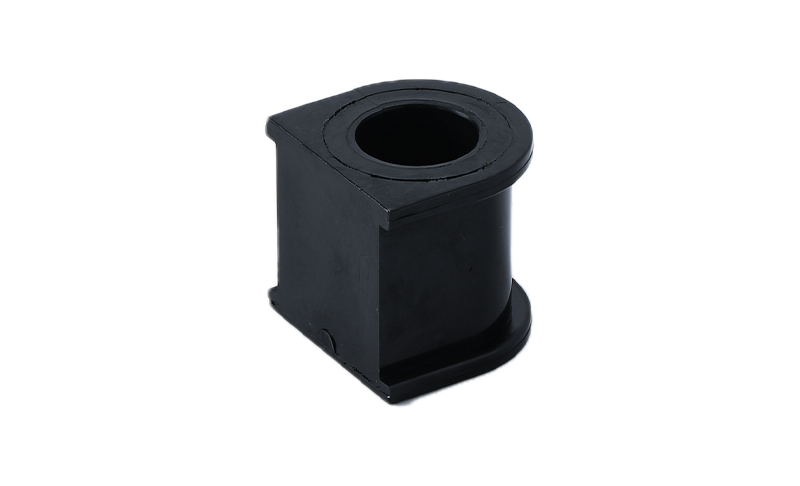
Recent discussions among drivers and mechanics suggest that automotive bushing is receiving more attention than usual, not as a minor part but as a direct influence on ride comfort, suspension behavior, and durability. What makes this topic striking is that complaints, upgrades, premature wear, and different installation results are all becoming focal points in the automotive community.

Real-World Cases Behind the Buzz
One recurring conversation centers on premature failure. Some drivers mention that certain aftermarket bushings can deteriorate within months, especially when used under heavier loads, spirited driving, or short-distance commute patterns that involve frequent stop-and-go conditions. The shared observation is that overheating or binding under stress leads to cracking or deformation. From these recognitions, many now realize that bushing condition directly affects comfort and noise levels.
Another recurring theme is the new suspension demands of electric and hybrid vehicles. These vehicles often carry more weight than compact gasoline cars because of their batteries. Many technicians describe situations where a relatively new vehicle starts showing instability or unusual noise. This has led to discussions about whether suspension components, including bushings, require different design expectations based on vehicle type.
Performance vs. Comfort: A Balanced View
Bushings made of different materials are increasingly compared:
- Rubber bushings are valued for flexibility and quiet operation. Many drivers feel they handle road imperfections better and make the suspension feel smoother.
- Polyurethane bushings are viewed as more stable under stress, offering precise steering. However, people also point out that they might introduce more vibration into the cabin.
Drivers interested in improvements often choose polyurethane bushings, hoping for enhanced stability. However, those who installed them without considering lubrication or torque settings during installation sometimes experienced performance decline. The conversations stress that installation should not be rushed: tightening at the wrong suspension height or failing to lubricate can cause stiffness, noise, or uneven wear.
Why Installation Has Become a Hot Topic
One of the widely repeated messages is that installation matters as much as material type. Several mechanics comment that bushings must be tightened once the suspension is loaded at normal ride height rather than while the car is lifted. Doing this incorrectly can trap the bushing in a twisted position. The result is stress buildup causing shortening of service life, increased harshness, or cracking.
Another talking point is maintenance. Many who installed polyurethane bushings eventually realized they require periodic lubrication to maintain stable performance. Others prefer rubber because it requires little follow-up, even though it might not handle aggressive use.
Why More Drivers Are Paying Attention
Bushings are now recognized as central to suspension function because worn or damaged bushings create symptoms that drivers quickly notice:
- Clunking sounds over bumps
- Loose steering feel at highway speeds
- Uneven tire wear
- Shaking or vibration under braking
Instead of assuming these problems come from shock absorbers or ball joints, many are discovering they originate from the humble bushing. This shift in understanding encourages earlier inspections and informed choices.
What This Means for Maintenance and Upgrades
People who work on their own vehicles increasingly recommend looking at bushings anytime noise or comfort changes noticeably. Others suggest that when upgrading suspension components, it is wise to match bushing materials to driving habits rather than simply copying popular builds. Owners of heavier vehicles, including SUVs and electric models, tend to prioritize stability; daily-commute drivers often prefer quiet and soft responses.
Across the multiple discussions, one message emerges clearly: while bushings do not appear prominently in a car catalog, their influence on how a vehicle behaves and feels is significant and worth evaluating with care. With more people now aware of these dynamics, conversations around automotive bushing are expected to remain active in both maintenance and upgrade decision-making.
Related Products
-
 View More
Industrial Flat Nature Tarp EPDM Rubber Strap with Hooks
-
 View More
100% EPDM 9"/10"/15"/21"/31"/41" Rubber Tie Down Tarp Straps with S Hook
-
 View More
7-wire hook light truck tire chain dobby tensioner
-
 View More
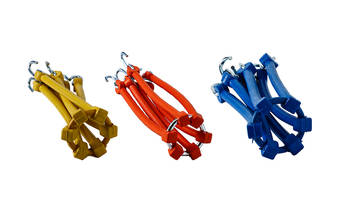
Blue multi- arm tighteners for light truck tire chain with 6 wire hook
-
 View More
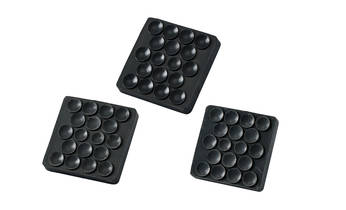
JB-21 Rubber Foot Pad, Cargo Bar Pad
-
 View More
Plastic/Rubber Bundled Cargo Stepping Board
 +86-13516769466
 +86-0576-87202376
 Waima Village, Yucheng Street, Yuhuan City, china.