


Uses of Rubber Foot Pads
Rubber foot pads, small components often overlooked in product design, are gaining attention across multiple industries due to their practical role in stability, surface protection, and vibration control. From household furniture to electronic devices and light industrial equipment, these pads are being discussed not as accessories, but as functional elements that influence product performance and user experience.
One area where rubber foot pads are frequently mentioned is home and office furniture. Chairs, tables, cabinets, and shelving units commonly rely on rubber or silicone-based pads to prevent slipping and reduce direct contact with floors. According to data from the U.S. Environmental Protection Agency, floor damage and abrasion contribute to a significant portion of premature flooring replacement in commercial buildings. Rubber foot pads help distribute weight more evenly and reduce friction, which can slow surface wear on wood, tile, and laminate flooring. This practical benefit has made them a standard feature in many ready-to-assemble furniture products.
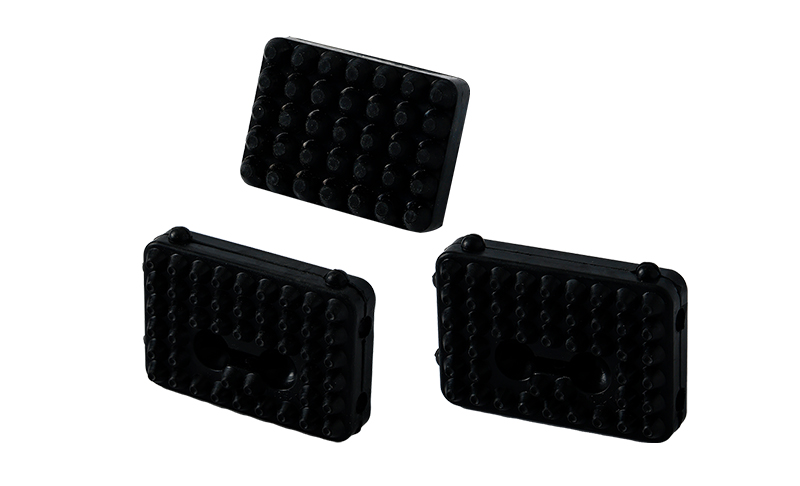
Another growing application is in consumer electronics and desktop equipment. Keyboards, routers, speakers, and small appliances often use self-adhesive rubber foot pads to improve grip and airflow clearance. User discussions on technical forums frequently highlight how missing or worn pads can cause device movement, increased vibration, or uneven desk contact. From a manufacturing standpoint, rubber foot pads offer a low-cost solution to improve product stability without altering the core structure. Industry cost analyses suggest that adding rubber feet typically accounts for less than 1% of the total bill of materials for small electronic devices, while contributing to reduced return rates related to handling issues.
Industrial and workshop equipment represents a third important direction. Rubber foot pads are widely used under benchtop machines, laboratory instruments, and compact motors to reduce vibration transmission. The International Organization for Standardization (ISO) has published guidelines indicating that vibration isolation at the base level can lower noise and mechanical stress, especially in light-duty equipment. Rubber compounds such as EPDM and natural rubber are commonly selected for these pads due to their balance of elasticity and load resistance. In some cases, metal washers or threaded inserts are added to the pad design to improve mounting reliability.
Material choice plays a key role across all these applications. Natural rubber is valued for grip and flexibility, silicone rubber for temperature stability, and synthetic options like EPDM for resistance to moisture and aging. Most commercially available rubber foot pads are designed to operate reliably within a temperature range of approximately -20°C to 80°C, which covers typical indoor and light industrial environments.
As manufacturers continue to focus on durability and user comfort, rubber foot pads remain a simple yet effective component. Their widespread use across furniture, electronics, and equipment highlights how small design elements can have a measurable impact on performance, maintenance, and surface protection.
FAQ
What are rubber foot pads mainly used for?
They are used to reduce slipping, protect surfaces, and absorb minor vibrations in furniture, electronics, and equipment.
Are self-adhesive rubber foot pads reliable?
When applied to clean, dry surfaces, self-adhesive pads provide stable performance for light to medium loads.
Which materials are common for rubber foot pads?
Common materials include natural rubber, silicone rubber, and EPDM, each chosen for different environmental conditions.
Do rubber foot pads help with noise reduction?
Yes, by reducing vibration transfer, they can help lower the noise generated by equipment movement.
How long do rubber foot pads typically last?
Under normal indoor conditions, quality rubber foot pads can last several years before showing noticeable wear.
Related Products
-
 View More
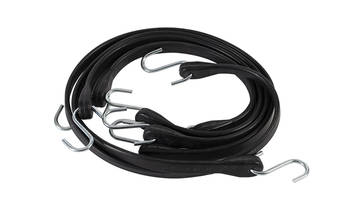
Industrial Flat Nature Tarp EPDM Rubber Strap with Hooks
-
 View More
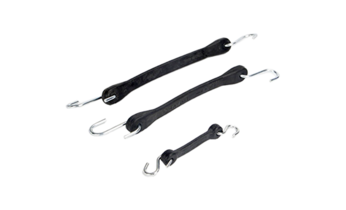
100% EPDM 9"/10"/15"/21"/31"/41" Rubber Tie Down Tarp Straps with S Hook
-
 View More
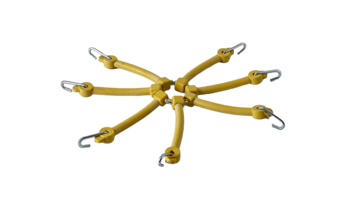
7-wire hook light truck tire chain dobby tensioner
-
 View More
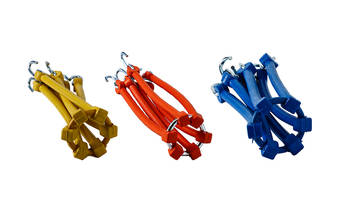
Blue multi- arm tighteners for light truck tire chain with 6 wire hook
-
 View More
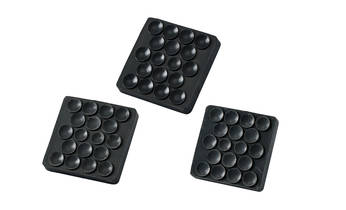
JB-21 Rubber Foot Pad, Cargo Bar Pad
-
 View More
Plastic/Rubber Bundled Cargo Stepping Board
 +86-13516769466
 +86-0576-87202376
 Waima Village, Yucheng Street, Yuhuan City, china.