


Guide to Cargo Bar Rubber Foot Pads
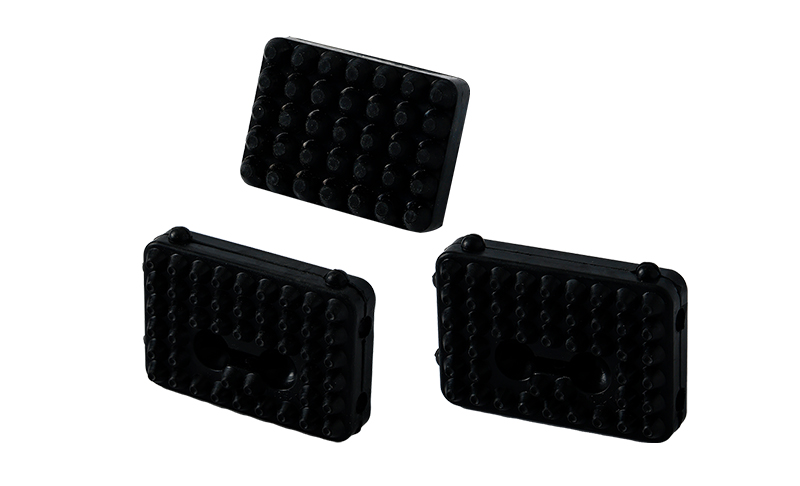
Using cargo bar rubber foot pads is a practical way to protect vehicle interiors and keep cargo steady during transportation. These pads form the cushion between the bar and the surface of the truck, van, or trailer, and their quality influences how well cargo remains positioned throughout a trip. Whether moving packaged boxes, stacked goods, equipment, or household items, properly chosen pads reduce shifting, surface marking, and unnecessary vibration. Many operators, distributors, and fleet managers consider pad features such as material firmness, shape, grip texture, and replacement availability before selecting a suitable option.
1. Understanding the Function
Foot pads form the direct contact between the bar and the vehicle wall. They spread pressure over a wider area, reduce shifting during driving, and cushion surfaces from abrasion. A well-chosen foot pad helps maintain balance even when the cargo changes size, shape, or weight.
2. Selecting the Right Pads
Before purchase, focus on the following criteria:
- Pad size: Larger pads distribute pressure more evenly, while compact pads may be useful in tighter spaces.
- Material firmness: Softer rubber can absorb vibration, while firmer rubber offers shape stability.
- Shape: Rectangular pads typically offer a broader grip area; round pads can adapt to uneven surfaces.
- Surface texture: Grooved or patterned pads often hold better than flat pads, especially during sudden stops.
- Compatibility: Some pads are fixed, others pivot; pivoting pads may work well with curved or angled vehicle walls.
A balanced match between size and surface profile often provides a dependable hold without leaving visible marks.
3. Installation Practices
Improper installation reduces grip and may cause shifting. Keep these steps in mind:
- Measure the vehicle width accurately before extending the bar.
- Extend the bar to a point where steady pressure is applied without forcing the mechanism.
- Check that both pads make full contact with the surfaces.
- Place the bar at a level position for balanced support.
- Test for movement by gently pushing against the bar before loading cargo.
Good installation reduces unnecessary strain and allows the pads to distribute pressure smoothly.
4. Everyday Use
Pads help stabilize loads in vans, pickups, trailers, and enclosed boxes. Their performance is shaped by load volume, flooring type, and driving conditions. For frequent loading and unloading, slightly thicker pads may handle repeated placement more consistently. For compact vehicles, slimmer pads prevent overcrowding.
A few commonly examined points during use include:
- Are the pads sitting flat against both sides?
- Is the bar applying even pressure?
- Does cargo sit snug without leaning?
Taking a minute to confirm these points helps avoid mid-trip adjustments.
5. Maintenance Guidance
Routine maintenance extends service life:
- Cleaning: Wipe pads free of dust or residue. Mild detergent and water keep surfaces effective.
- Inspection: Look for cracks, tears, or flattened spots.
- Replacement: Pads showing wear can be replaced individually, prolonging the life of the bar.
- Storage: After use, store the bar in a dry area to protect the pads from weathering.
These steps help preserve shape and grip, especially for users who rely on load bars daily.
6. Choosing for Mixed Cargo
Users transporting furniture one trip and boxes the next often prefer pads that balance cushioning and compression resistance. A neutral rubber formulation works for materials ranging from packaged goods to tools and equipment. In enclosed vans, pads with slight flexibility reduce rattle. In larger trailers, larger pads spread contact and help keep stacks aligned.
7. Key Points for Buyers and Inquiries
When listing pads for sale or preparing a purchase question, include:
- Pad dimensions and material
- Shape and texture description
- Whether pads pivot or stay fixed
- Recommended application setting
- Replacement availability
Clear details help potential customers match product features to their cargo setups.
With proper selection, installation, and inspection, cargo bar rubber foot pads support efficient loading and help protect cargo as well as vehicle interiors.
Related Products
-
 View More
Industrial Flat Nature Tarp EPDM Rubber Strap with Hooks
-
 View More
100% EPDM 9"/10"/15"/21"/31"/41" Rubber Tie Down Tarp Straps with S Hook
-
 View More
7-wire hook light truck tire chain dobby tensioner
-
 View More
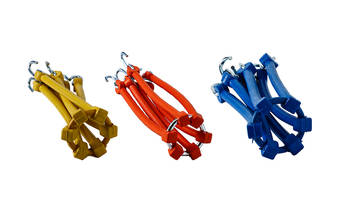
Blue multi- arm tighteners for light truck tire chain with 6 wire hook
-
 View More
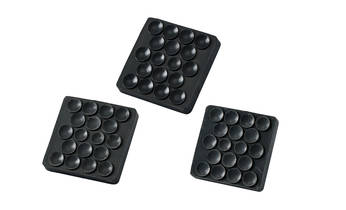
JB-21 Rubber Foot Pad, Cargo Bar Pad
-
 View More
Plastic/Rubber Bundled Cargo Stepping Board
 +86-13516769466
 +86-0576-87202376
 Waima Village, Yucheng Street, Yuhuan City, china.